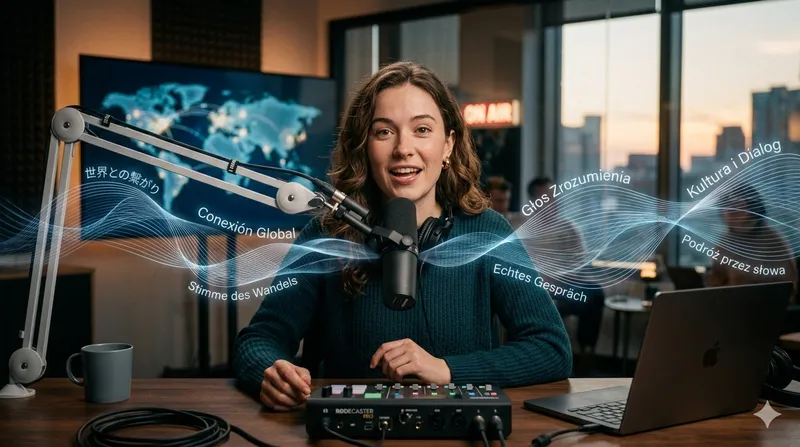
AI Tools That Feel Like Magic: Breaking the Reality Barrier
There is a famous law by Arthur C. Clarke: “Any sufficiently advanced technology is indistinguishable from magic.” In March 2026, we have reached that point. We are no longer just “generating text”—we are duplicating human identity and translating human presence across the globe in real-time. If you haven’t looked at voice and video AI in the last six months, prepare to be shocked.
1. The Voice Alchemist: ElevenLabs (2026 Edition)
ElevenLabs is no longer just a text-to-speech tool. It has become a full-scale Audio Identity Engine.
- The Magic: Speech-to-Speech (STS). You can record a line of dialogue with a specific emotion—whispering, crying, or shouting—and the AI will overlay your “Voice Clone” onto that exact performance. It keeps your soul but changes the vocal cords.
- The Global Reach: Their new Dubbing Studio can take a YouTube video and translate it into 32+ languages while maintaining the original speaker’s tone, pacing, and emotional “cracks” in the voice.
Pro-Tip: Use Professional Voice Cloning for long-term projects. It requires more data but avoids the “robotic drift” seen in cheaper models.
2. The Universal Translator: HeyGen Avatar IV
If ElevenLabs is the voice, HeyGen is the face. Their 2026 update (Avatar IV) has solved the “Uncanny Valley” problem for video translation.
- The Magic: Generative Lip-Sync. Unlike early versions that just “stretched” the mouth, HeyGen now re-renders the lower half of the face. If you translate English to French, the AI adjusts the lip movements to match French phonemes perfectly.
- Real-Time Translation: In early 2026, HeyGen launched a beta for live video calls where your “Digital Twin” speaks for you in another language with sub-500ms latency.
3. The Multi-Speaker Specialist: Rask AI
While HeyGen is great for solo creators, Rask AI has claimed the throne for films and podcasts with multiple people.
- The Magic: Multi-Speaker Detection. Rask can take a podcast with four people and automatically assign a unique, consistent voice clone to each person in the translated version.
- The “Vibe” Check: It’s the best tool for preserving “slang” and regional dialects, making it a favorite for cross-border marketing agencies in 2026.
4. The Low-Latency Future: Inworld AI
For those building apps or games, Inworld AI provides the “magic” of instant voice.
- The Magic: Extreme Low Latency. While other tools take seconds to process, Inworld’s TTS-1.5 Max model generates high-quality speech in under 250ms.
- Use Case: This is the tech powering the AI NPCs (Non-Player Characters) in 2026’s biggest video games and real-time customer service “humanoids.”
Magic Tool Comparison: Which One Do You Need?
| Feature | ElevenLabs | HeyGen | Rask AI |
|---|---|---|---|
| Best For | Voice Quality & Audiobooks | Marketing & Social Video | Podcasts & Multi-Speaker |
| Lip-Sync | No (Audio only) | Industry Best | Very Good |
| Languages | 30+ (High Depth) | 175+ (Wide Range) | 130+ |
| “Magic” Factor | Emotional Nuance | Visual Realism | Automation Speed |
A Note on Ethics: The “Human” Verification
With great magic comes great responsibility. In 2026, all major platforms (ElevenLabs, HeyGen, etc.) have implemented Voice/Video Watermarking (SynthID).
To clone a voice for professional use, you must now perform a “Live Liveness Test”—reading a random script while on camera—to prove you are the owner of the identity you are cloning. This has significantly reduced “Deepfake” fraud in early 2026.
Conclusion
We are living in an era where language is becoming a “software setting” rather than a barrier. Whether you’re a YouTuber wanting to speak Japanese or a business owner wanting to reach the Brazilian market, these tools provide a level of “magic” that was impossible just years ago.
Want to see how these voices sound in a professional presentation? Check out our guide on Can AI Generate Full PowerPoint Decks? Testing Gamma and SlideSpeak to see how to integrate AI video into your next big pitch!